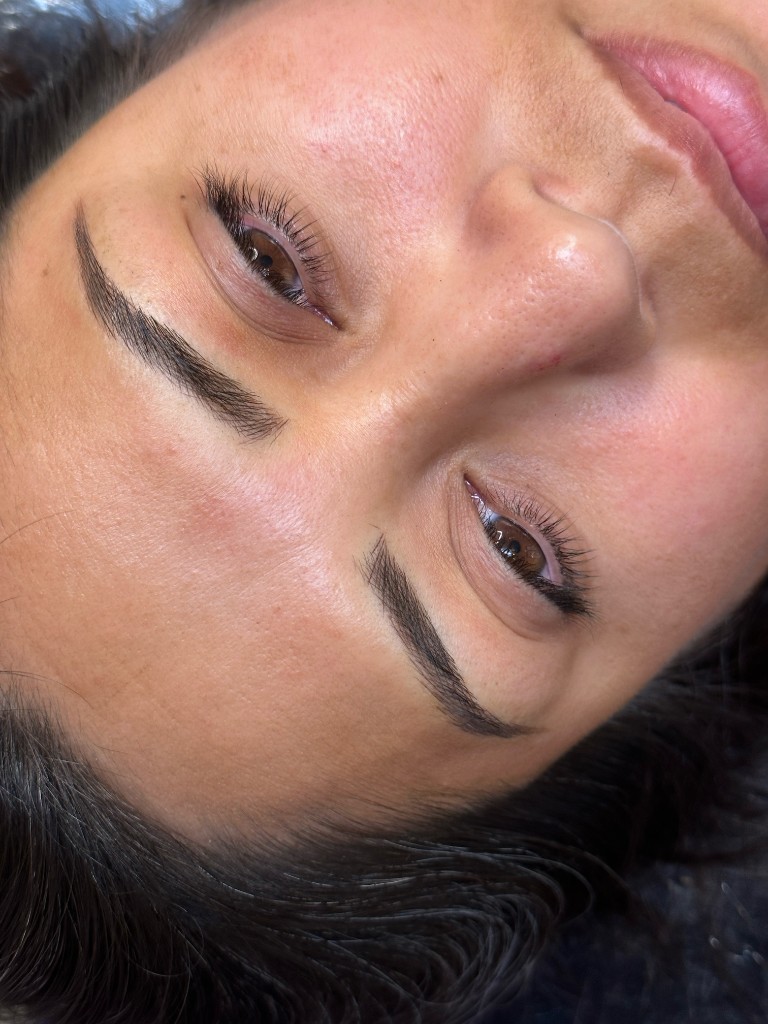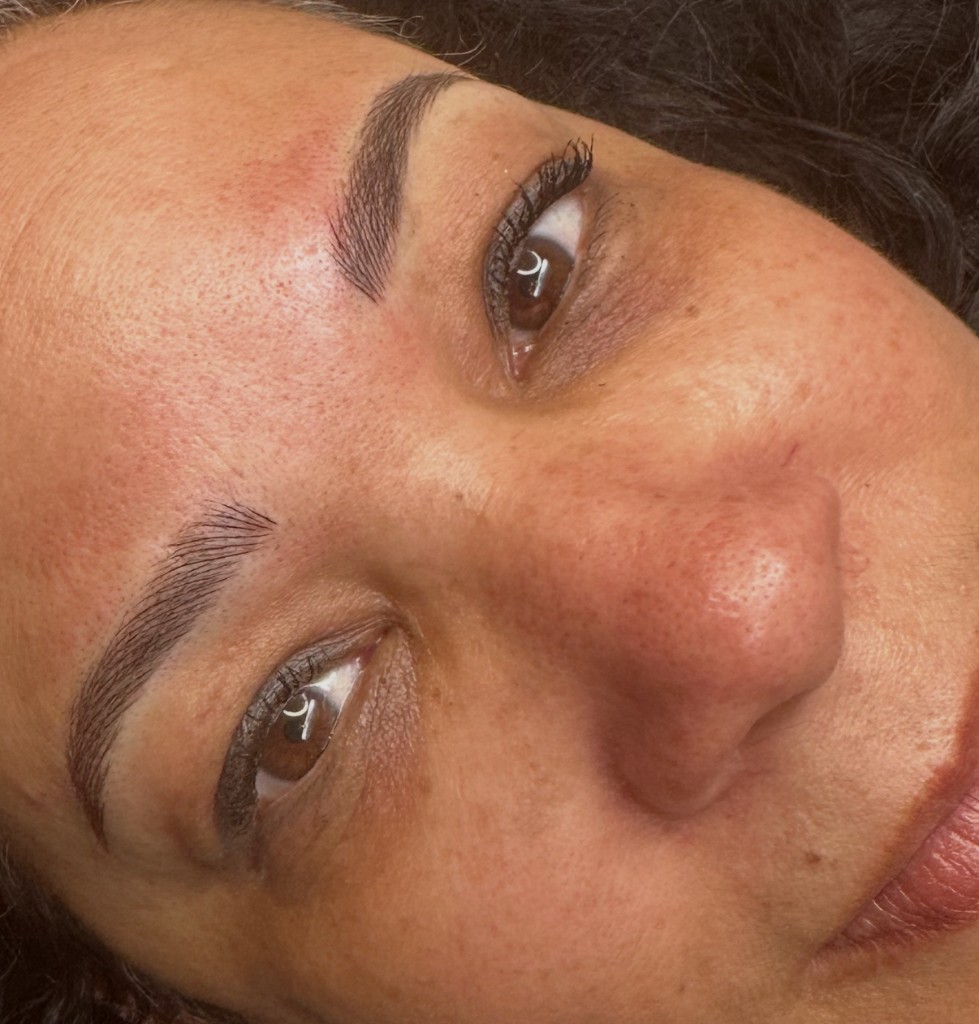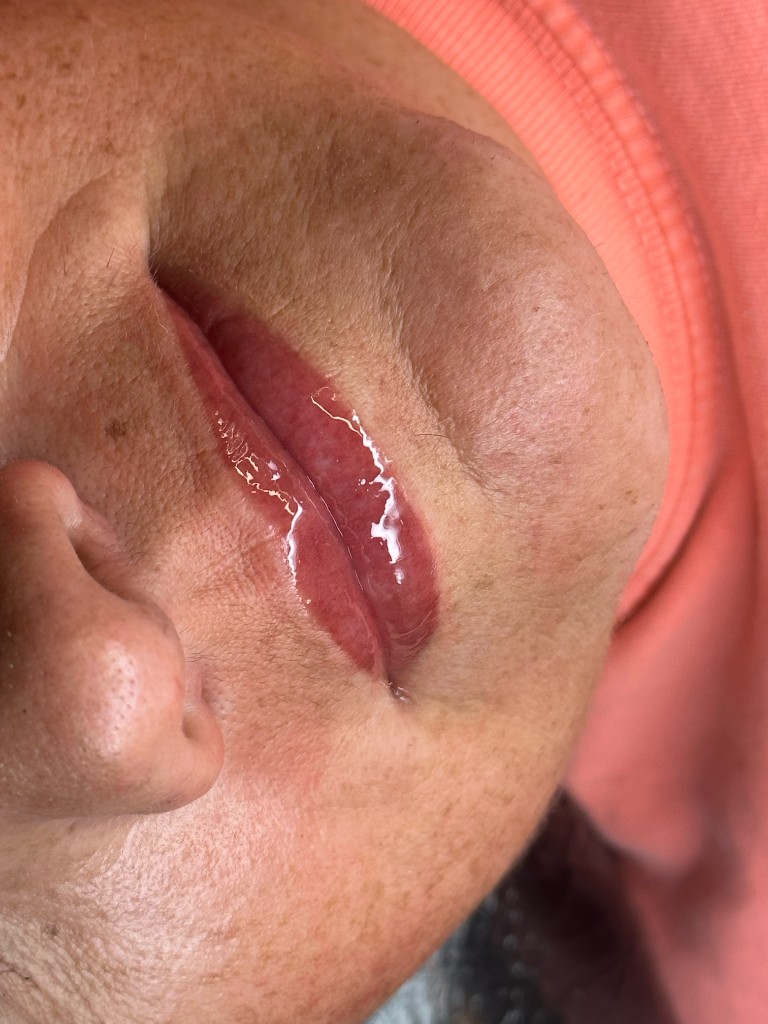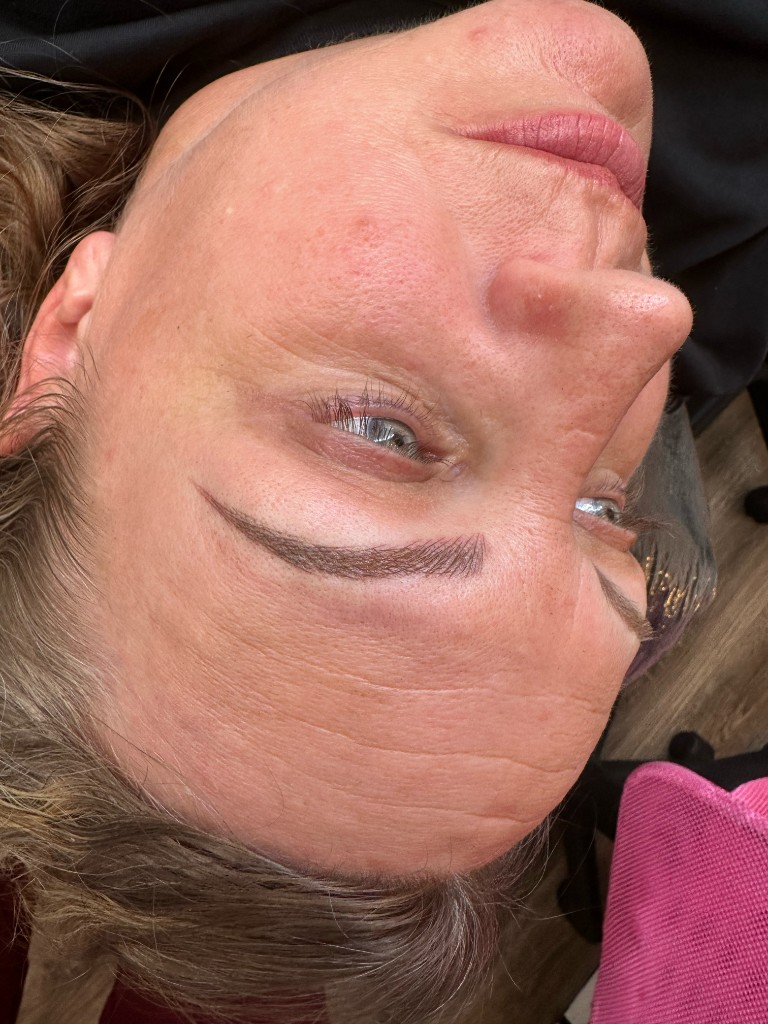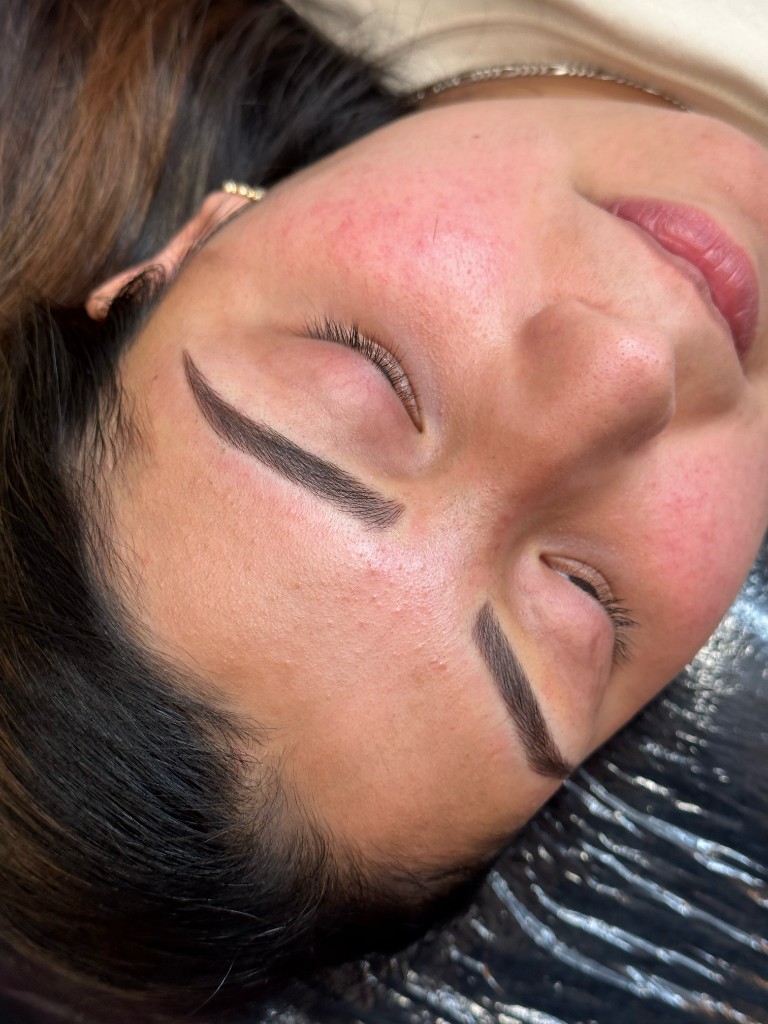

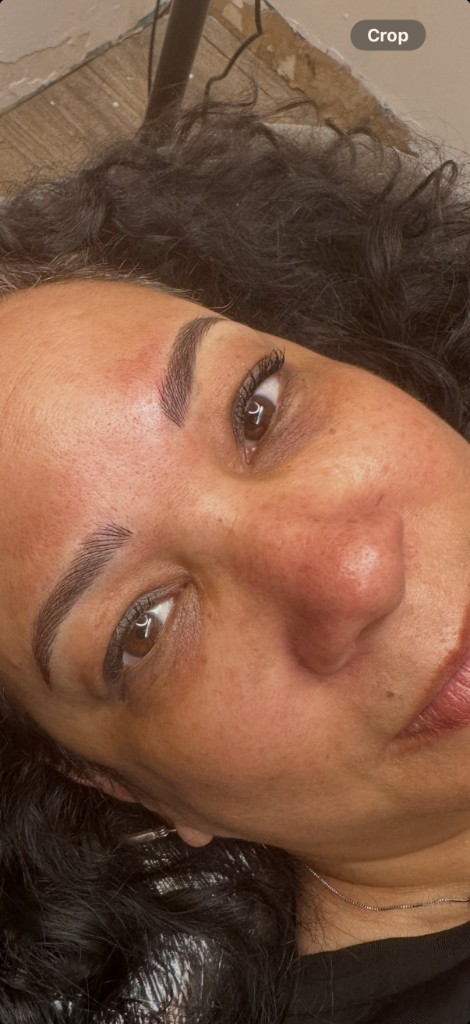
How Long Does Permanent Makeup Last?
Permanent makeup typically lasts 2–3 years, but skin type, sun exposure, and your skincare routine all affect how long results hold. Here's what to expect — and how to make yours last longer.
Read more →
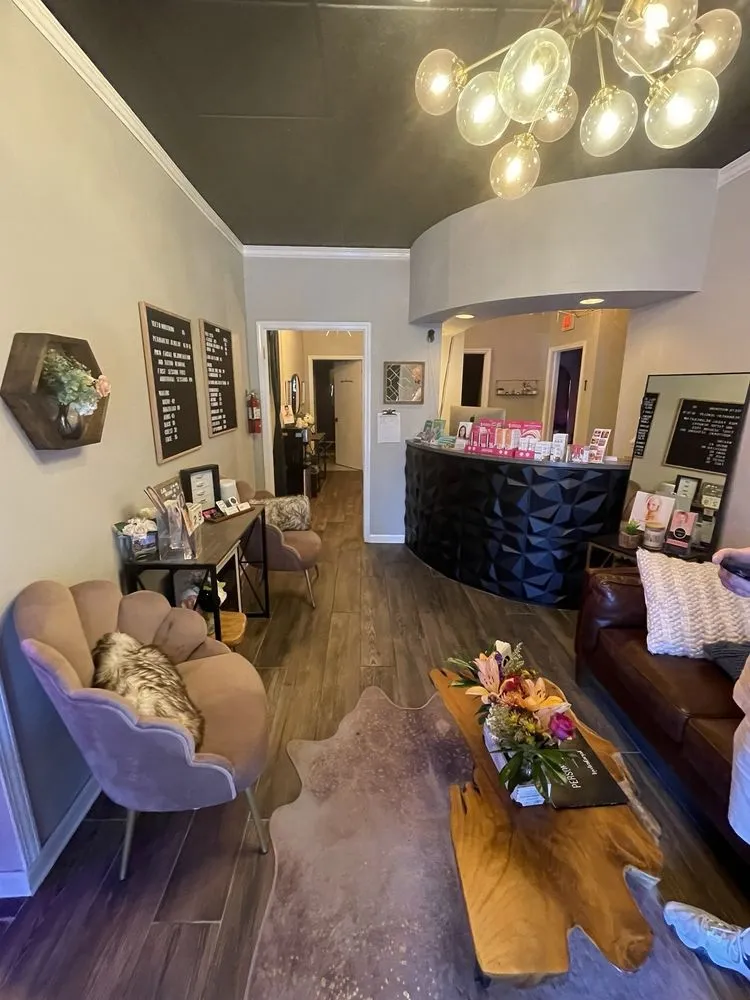
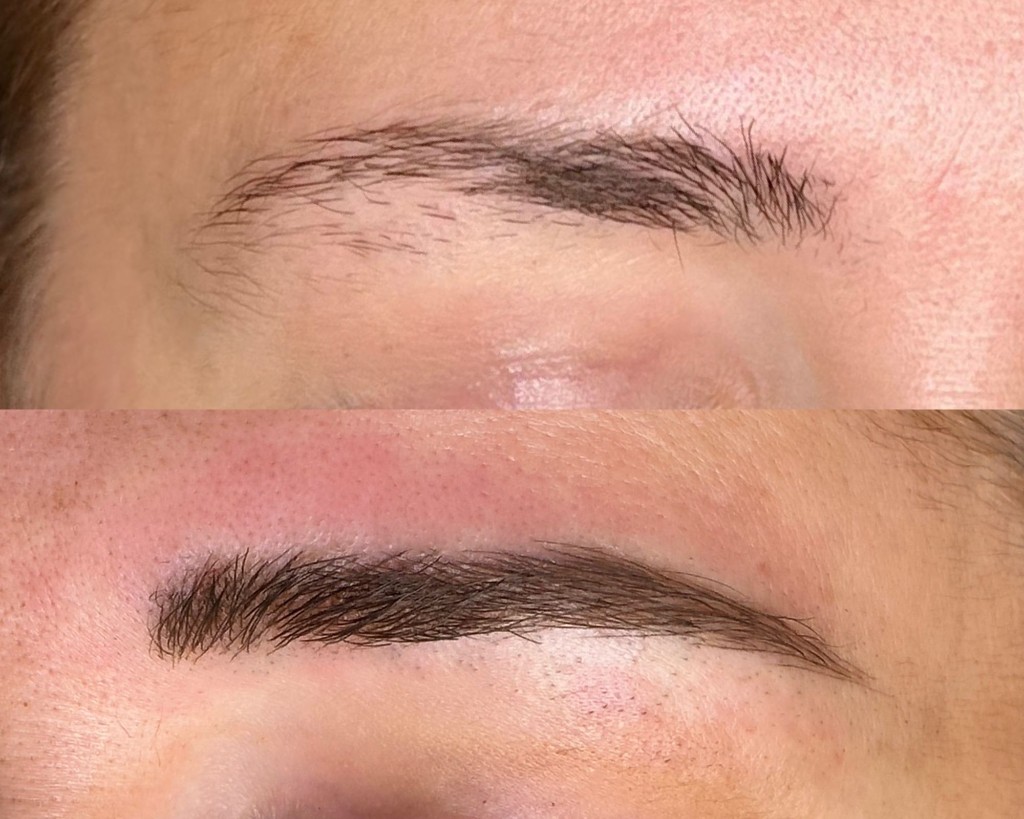

Honest answers about nano brows, powder brows, lip blushing, healing, and what to expect from Candra, Licensed Medical Micropigmentologist.
All posts

Permanent makeup typically lasts 2–3 years, but skin type, sun exposure, and your skincare routine all affect how long results hold. Here's what to expect — and how to make yours last longer.
Read more →
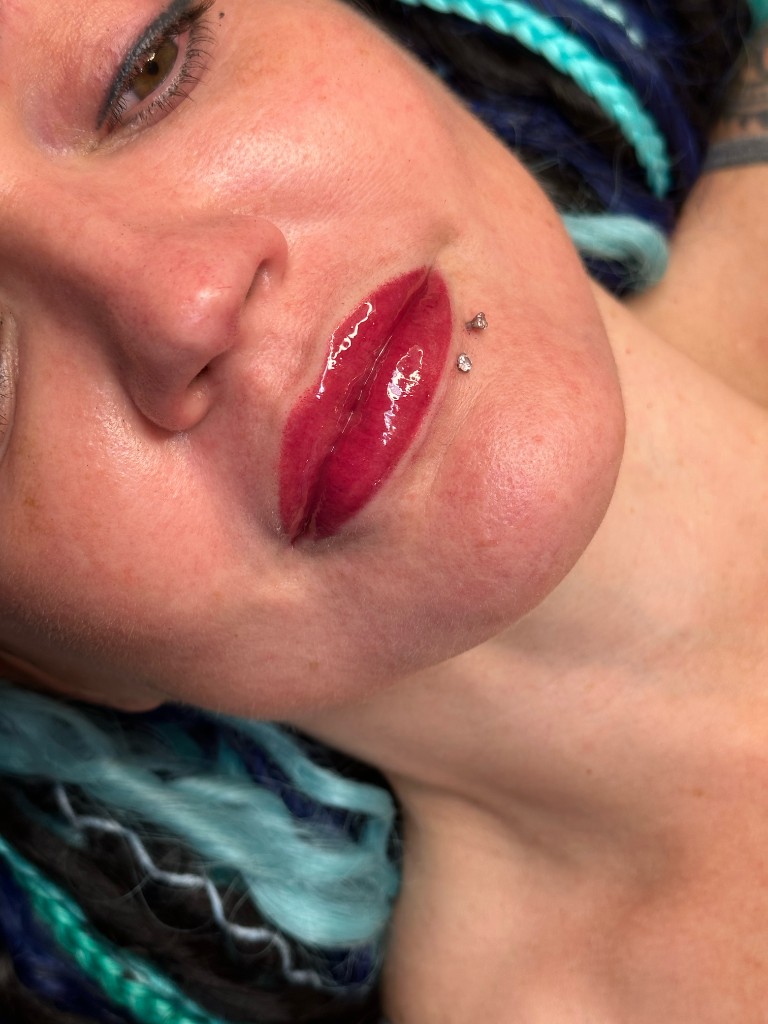
The first 10 days after your permanent makeup appointment are the most critical. Here is exactly what to do — and what to avoid — to protect your results from the moment you leave the studio.
Read more →
Nano brows and microblading both create hair-stroke brows, but they use different tools and produce different results — especially on oily skin. Here is how they compare.
Read more →
Permanent makeup in Tulsa starts at $400 for nano brows, powder brows, and lip blushing at Shaded & Bladed — and that price includes the 6–8 week touch-up. No hidden fees. Here is exactly what you get.
Read more →
Permanent makeup is one of the best investments a Tulsa bride can make — but timing matters. Book your appointment 3 months before your wedding date so brows and lip blushing are fully healed and looking their best by ceremony day.
Read more →
Tulsa nurses and healthcare workers often have 5:30am alarm clocks and 12-hour shifts ahead. Permanent makeup eliminates the morning brow routine without sacrificing the polished appearance patient-facing roles require.
Read more →
Fall and early winter are the best times to get permanent makeup in Tulsa — lower UV, easier aftercare, and your results are healed before the holiday season. Here is a month-by-month guide built around the Oklahoma calendar.
Read more →
Powder brows and nano brows both create defined, natural-looking brows — but they use different techniques and produce different results. Skin type is the biggest factor in choosing between them. Here is how they compare.
Read more →
Lip blushing and lip filler are not the same thing — one adds color and definition, the other adds volume. Here is a direct comparison of both procedures so you can decide which one actually solves your problem.
Read more →
Nano brows go through several healing stages before reaching their final result at 6 weeks. The ghost phase at week 2 surprises many clients — here is a day-by-day breakdown so you know exactly what to expect.
Read more →
Your first permanent makeup appointment at Shaded & Bladed runs about 3 hours from start to finish. Here is exactly what happens — consultation, mapping, numbing, the procedure itself, and what you leave looking like.
Read more →
Permanent makeup performed by a licensed, trained artist using sterile single-use tools is safe. The risk comes from unlicensed practitioners. Here is what Oklahoma law requires and how to verify an artist before you book.
Read more →
Tulsa teachers have 6am alarm clocks, 8am first bells, and long days with no time between classes to reapply makeup. Permanent makeup solves the morning routine problem permanently — and summer break is the perfect healing window.
Read more →
Permanent makeup for mature skin requires a different approach. Thinner skin, sparse brows from years of over-tweezing, and drier texture all change how pigment deposits and heals. Here is what to expect and why powder brows are often the better choice after 50.
Read more →
Lash line enhancement is permanent makeup applied precisely at the base of the lashes — it makes lashes appear thicker and more defined without mascara or liner. Starting at $300 at Shaded & Bladed in Tulsa.
Read more →
Permanent makeup hurts less than most clients expect. With 20–30 minutes of topical numbing applied before every session, most people describe brow services as mild scratching — not pain. Lip blushing is slightly more sensitive but still very manageable.
Read more →
Good results start before you sit in the chair. Here is exactly what to stop, start, and bring in the two weeks before your permanent makeup appointment at Shaded & Bladed in Tulsa.
Read more →
Permanent makeup costs $400 upfront and lasts 2–3 years. Daily makeup on brows and lips costs more over the same period and takes 10–20 minutes every morning. For the right client, permanent makeup pays for itself within the first year — in both time and money.
Read more →
Yes — you can get brows and lip blushing on the same day at Shaded & Bladed. The combined session runs approximately 5–6 hours. There is a pricing advantage and the healing timelines overlap. Not every client is a good candidate, but most are.
Read more →
Powder brows healing follows a predictable pattern: bold and solid on day 0, darkening by day 3, peeling by day 5–7, a strong ghost phase by week 2, and the soft healed result by weeks 6–8. Here is exactly what to expect at each stage.
Read more →
Lip blushing heals in stages: vivid and swollen on day 0, peeling by days 2–4, the most dramatic ghost phase of any PMU service by week 2, and a soft, natural healed color by week 6+. Here is exactly what to expect.
Read more →
The ghost phase is the week 2–3 stage of permanent makeup healing when the color appears to fade almost completely. It is not failure — it is the predictable result of new skin forming over the pigment. Color returns.
Read more →
Avoid intense sweating for 7–10 days after permanent makeup. Light walking is fine from day one. Sweat is saltwater that draws ink toward the surface and creates bacteria risk during the healing window. Here is how to modify your workouts without losing your entire routine.
Read more →
Avoid swimming — pools, lakes, rivers, and hot tubs — for 4 weeks after permanent makeup. Chlorine acts as a mild exfoliant on healing skin. Open water introduces bacteria risk. Oklahoma lake season timing matters. Here is what to know.
Read more →
You can wear makeup on the rest of your face while your PMU heals — just not over the treated area. Foundation over healing brows and lip products over healing lips introduce bacteria, stain the pigment, and block natural healing. Here is exactly what is and is not allowed.
Read more →
UV light breaks down permanent makeup pigment over time. Oklahoma's UV index runs 9–11 from May through September — among the highest in the country. SPF 50+ on healed brows and lips every morning extends your results by months.
Read more →
Oily skin does not disqualify you from permanent makeup — but it does affect which technique holds best and how to set realistic retention expectations. Powder brows outperform nano brows on very oily skin. Here is what to know.
Read more →
Permanent makeup works beautifully on deeper skin tones — but pigment selection and technique require more precision. Ash-based pigments can heal gray or blue on Fitzpatrick IV–VI skin. Warm-based pigments deliver natural results. Here is what to know before booking.
Read more →
Permanent makeup is one of the most effective options for clients with alopecia, chemotherapy-related hair loss, or sparse brows from years of over-tweezing. Nano brows and powder brows create the illusion of full brows entirely from pigment — no existing hair required.
Read more →
Blood thinners — aspirin, warfarin, fish oil, ibuprofen — affect how permanent makeup heals. Thinner blood means more bleeding, which dilutes pigment and leads to patchy retention. Here is what to know before your appointment.
Read more →
Permanent makeup is not recommended during pregnancy or while breastfeeding. The contraindication exists because of pigment safety unknowns and numbing cream absorption risk — not because complications are documented at high rates. Wait until 3+ months post-breastfeeding for hormone stabilization.
Read more →
Controlled diabetes is generally not a barrier to permanent makeup — many diabetic clients get excellent results with physician clearance. Uncontrolled diabetes impairs healing and increases infection risk, making it a contraindication until blood sugar is managed. Here is what to know.
Read more →
Permanent makeup fades gradually — not suddenly. The signs are subtle: warm undertones emerging, strokes looking softer, filling in again without noticing. Here is how to tell when it is time to book a color boost, and what happens if you wait too long.
Read more →
The habits that extend permanent makeup results are simple and consistent: daily SPF, avoiding exfoliants over the treated area, gentle cleansing, staying on the color boost schedule, and a few specific things to avoid. Here is the complete maintenance guide.
Read more →
Permanent makeup can be removed — it is not truly permanent in the way a traditional tattoo is. Saline removal works best on fresh work; laser works better on older, oxidized pigment. Multiple sessions are required for either method. Here is what you need to know.
Read more →
Traditional makeup does not survive a workout. Permanent makeup does. For Tulsa runners, CrossFit athletes, Orangetheory regulars, and anyone who spends weekends on Keystone or Skiatook Lake, permanent brows and lips are one of the most practical investments in your routine.
Read more →
New moms have no time for a makeup routine. Permanent brows and lip blushing at Shaded & Bladed in Tulsa mean waking up looking put-together without any effort — which matters enormously when a newborn has rearranged every hour of your morning. Book after hormones stabilize, around 3–6 months post-breastfeeding.
Read more →
Choosing a PMU artist in Tulsa requires more than looking at Instagram photos. Oklahoma requires a state license for all PMU artists. Here is the complete checklist — including how to verify a license, evaluate a portfolio, and spot red flags before you book.
Read more →
Not all permanent makeup is done in a dedicated studio. Some artists travel to client homes, work from salon suites, or operate without a fixed address. This post is about what to ask and what to look for — not about bashing anyone, but about helping you make an informed decision.
Read more →
Permanent makeup and traditional tattoos use the same basic concept — pigment deposited into skin — but differ in depth, ink composition, longevity, and how they age. Understanding the difference addresses the most common misconception that prevents first-time clients from booking.
Read more →